Blind wine tasting
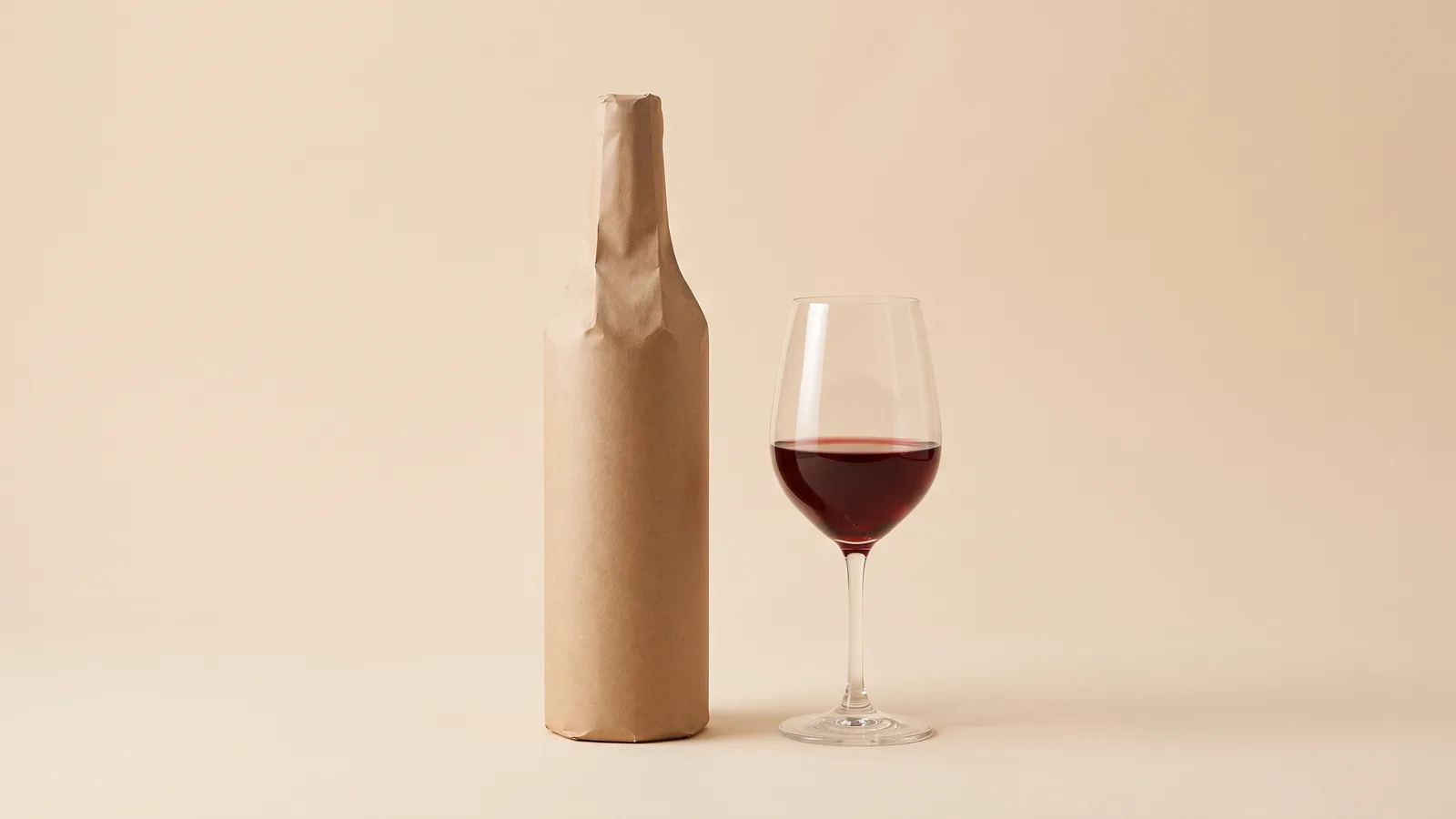
Blind tasting means tasting a wine without knowing what is in the glass: the bottle is hidden and the label is revealed only at the end. The point is not to name the wine — it is to start trusting your own senses instead of the price on the label.
Formats
The duel
Two wines of the same colour but from different countries or price brackets. The task is not to name the grape but to say how they differ and which you prefer. The easiest format for beginners and the one with the most surprising results.
Spot the odd one out
Three glasses, two of them the same wine. It sounds easy until you try it. A brilliant way to see how much your palate really distinguishes.
Guess the grape
Four wines from clearly different grapes — Sauvignon Blanc, Chardonnay, Pinot Noir and Cabernet, for example. The classic training exercise: every grape has its own recognisable handwriting.
Blind with friends
Everyone brings a wrapped bottle. You taste in turn, each writes a guess, and at the end you reveal them all at once. A party format where the most attentive person wins, not the most knowledgeable.
Why it works
Without a label the brain loses its cues. A famous region, a beautiful bottle and a high price set you up for “expensive and complex” in advance — and you genuinely feel it, even when there is nothing of the sort in the glass. Blind tasting removes the cues and leaves only what is actually there. That is why it is used both to train sommeliers and as the most honest way to work out which wine you personally like.
How to do it
- Hide the bottleWrap it in foil, a thick bag or a sock, so that neither the label nor the shape of the neck shows. Better to have someone else pour, otherwise you will remember the order without meaning to.
- Pour into glassesA third of the glass, no more — you need room to swirl. With several wines, number the glasses instead of trying to remember.
- Look at the colourTilt the glass over a sheet of white paper. Intensity hints at skin thickness and climate, and the hue at the rim at age: a young red shows violet, a mature one moves to garnet and brick.
- Smell without swirlingThe first impression is the most honest. Note whether the smell is clean and what it resembles at all: fruit, flowers, herbs, spice.
- Swirl and smell againAfter contact with air the aroma opens up and notes appear that were not there before. The difference between the first and second nose is half the pleasure.
- Taste and judge the structureA small sip, held in the mouth. Acidity is measured by how much you salivate, tannin by the dryness of your gums, body by the weight on your tongue. Then count the seconds the finish lasts.
- Make your guess, then unwrapCall the colour, a likely grape, warm or cool climate, young or aged. Only then take off the wrapping — and compare.
Rules
- Whoever pours does not take part in the guessing — or the glasses are shuffled blind.
- Every wine at the same temperature and in identical glasses: shape and chill change perception more than you would think.
- No comments out loud until everyone reveals — the first opinion spoken drags the whole table with it.
- Neutral food and water between samples: bread, still water. Cheese and chocolate override the taste.
- No more than four or five wines in one sitting — beyond that the palate tires and stops telling them apart.
- Write your notes before the reveal. Once the label is known, memory quietly rewrites what you felt.
What to pair with
- Bread or plain crackers — a neutral base between glasses
- Still water at room temperature
- Hard cheese — but after the reveal, not during
Let’s taste blind together
We’ll walk you through it step by step so nothing important is missed. At the end the AI offers its own guess — compare it with yours.
FAQ
Do I need a blindfold?
No, and it is better not to. The colour of the wine is legitimate information — it tells you about age and density. You hide the bottle and the label, not the glass. A blindfold is only needed for the separate game of guessing red or white.
How many wines should I start with?
Two. Enough to feel the difference, and few enough that your palate stays fresh. Four is a comfortable maximum for an evening with friends.
Can you really identify a specific wine?
Naming the exact wine — almost never; only a handful of people in the world do that. But the colour, a likely grape, a warm or cool climate, young or aged — yes, and that comes after a few tastings.
Do I need experience for it to be fun?
No. Beginners arguably get more out of it: without a label the fear of “saying the wrong thing” disappears, because nobody at the table knows the right answer either.